Search This Blog

Monday, 10 November 2014

Landlord fined £280,000 over rents from illegal housing


A London landlord has been hit with a £280k fine over rents from illegal housing after ignoring orders to destroy in substantial housing built in an outbuilding.
David Kohali turned his outbuilding in Hornsey Road, Holloway, into six small flats sometime before 2009.
In that year he was ordered by the council to stop using it for flats, and to take out kitchens and bathrooms.
Kohali ignored the order and for the next four years continued to defy other enforcement notices from Islington Council and the planning inspector, and carried out renting out the flats.
In 2013 Islington Council began proceedings for a confiscation order under the Proceeds of Crime Act, relating to money made by illegally renting out the unauthorised units.
A successful prosecution saw a judge at Blackfriar’s Crown Court rule in the council’s favour and order Kohali to pay am eye-watering £280,000, thought to be one of the largest fines ever given to a landlord.
The sum was made up of a £190,000 fine, a confiscation order of £76,562.07 and the council’s costs of £15,042.50.
The confiscation amount is due to be paid within 28 days and the rest within three months. Failure to pay could lead to imprisonment.
Islington’s housing chief councillor James Murray said: “More and more people in Islington are renting privately – and the housing crisis is so bad that desperate tenants are vulnerable to being exploited by rogue landlords.
“We want to make sure people have decent places to live – not places like these six small, sub-standard flats crammed into an outbuilding.
“We will take action against property owners like this who are trying to cash in on Londoners’ desperate search for housing by offering accommodation that flouts the rules or is too small to live in.”
 http://www.landlordtoday.co.uk/news_features/Holloway-landlord-handed-record-%C2%A3280k-fine
Saturday, 8 November 2014

Should my Southampton Buy 2 Let be a one or two bed unit?


I often get asked if the number of bedrooms in a property has any relationship to the return that can be earned from the flat. I did some research and here are the results...

Currently in Southampton, the average rent for a one bedroom apartment is around £563 per month with an average property value of £109,700. This means an approximate average return/yield of 6.15% per year. There are one bed apartments on the market for rent at a higher price than some two bed apartments. In fact, some one bed apartments in Southampton can attract rents in the mid- late £800's whilst some converted terraced houses with flats in them can be rented for as little as £395 per month. This means yields on one beds can range between 3% and 8%.

Two bed apartments in Southampton can be priced at £300,000+ in one of the modern upmarket developments around Ocean Village and as low as £60,000 in other areas. Again, rents vary greatly, ranging from over £2,000 per month for some bespoke unique penthouse apartments overlooking the Marina in Southampton to £575 per month in the older parts of Southampton. However, looking at the average rent for a two bed apartment in Southampton, I calculate it to be £748 per month with the average value being £159,600 which gives an average return/yield of 5.62% per year. 

Whilst there is a little difference in the yields between 1 and 2 bedroomed units, it is only one of many factors you should consider before buying a property. Whilst two bedrooms are more expensive to buy, they appeal to a larger tenant pool. Do they sell better? Well, 45.3% of the two bed apartments on the market in Southampton at this moment in time are sold stc compared to 37.7% of 1 bed apartments – so quite a bit of difference there. Obviously this does not take account of the split between owner/occupied and rental stock.

It really comes down to the property and type of tenant. Two-beds attract sharers, which brings both advantages and disadvantages to the landlord but one beds have better yields. It depends what you want from your investment. I know the lettings market in Southampton so I can advise you what you can expect to achieve in rent, the size of your tenant pool and how to minimise your voids.


Friday, 7 November 2014

Good Southampton investment close to the Hospital which could yield 7%


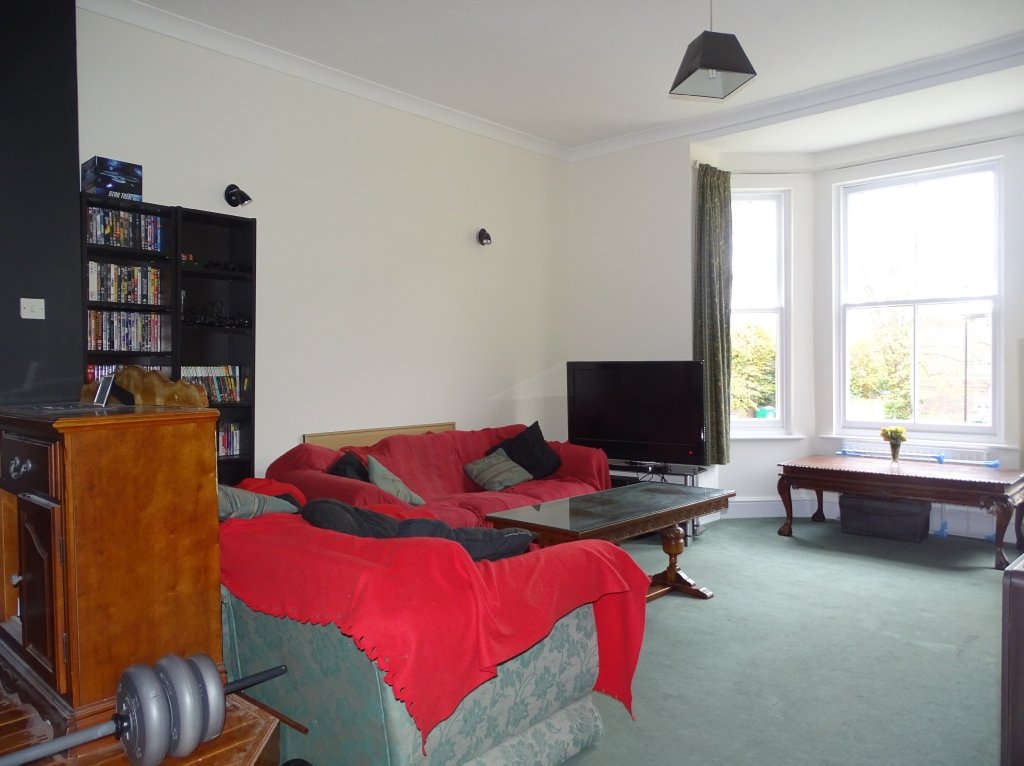
Really nice 1 bed flat located very close to the General Hospital and Shirley High St. It’s a great size at  450sq.ft. and benefits from allocated parking and communal grounds. We recently let a similar unit in this scheme at £600p.c.m. Your tenant pool will comprise professional from the hospital, the uni and other local employers. Gross yield based on asking price of £110k is 6.5% but with a little negotiation it should get to 7%.


Southampton buy 2 let yielding 11% - tempted!

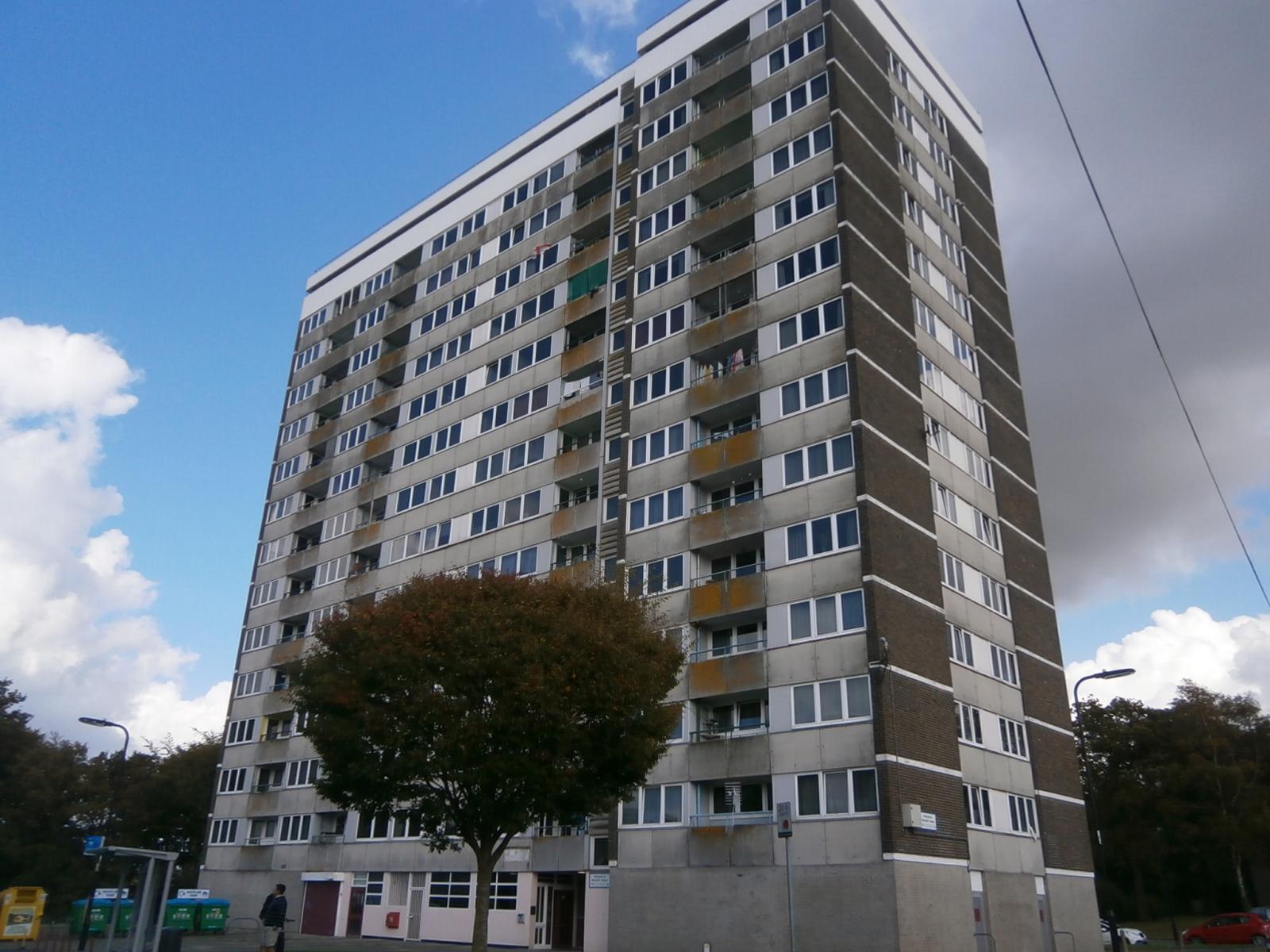
This 2 bed flat in a council tower has just come on the market. It’s in SO19 and has great views over the city. It’s a good size at 750sq ft. and is suitable for cash buyers - you won't get a mortgage on this one. Your tenant pool will comprise benefit recipient’s and local workers. It’s on the market at £75k but given its limited appeal there should be some good negotiation on price. Rent wise you will be looking at £625 so your yield should be around 11%. Nice if you are chasing yield!


Tuesday, 4 November 2014

Spacious Banister Park 2 bed for £155k will yield 6.2% - a nice Southampton Buy 2 Let.

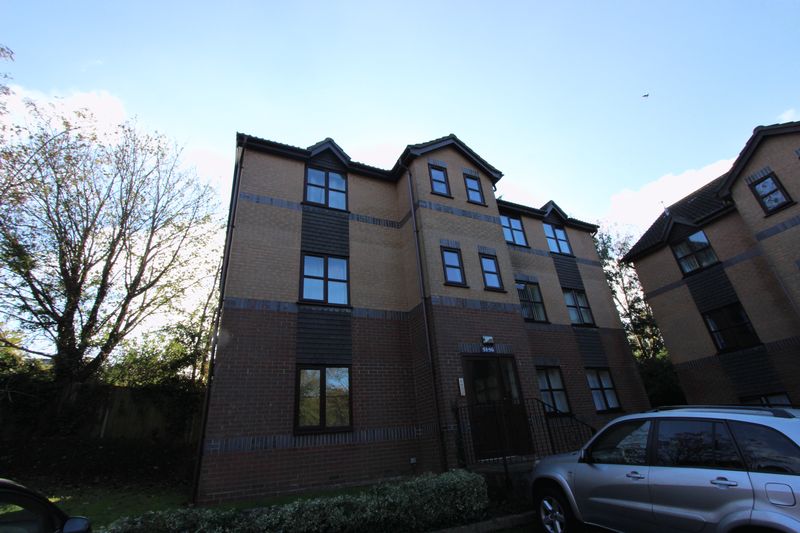
Bright and spacious 2 bed flat centrally located in Banister Park. The property benefits from an ensuite and parking. Given its size and location it will let well at £800pcm to a varied tenant pool including post grads and professionals. Gross yield is good at 6.2% and the property should be well positioned to benefit from capital growth as the market moves forward. Should be some riggle room in the price!

Southampton's property prices are predicted to rise by 43% by 2019


Average house prices in England and Wales will rise by 30.2 per cent in the next five years and the fastest growth will be seen towns and cities in the South East, it has been claimed.
A study by property website Rightmove and experts at Oxford Economics predicts house values will soar 37.3 per cent in the South East by 2019. This compares to 32.5 per cent in London and 24.3 per cent in the North West, where it says values will rise at the slowest pace.
The majority of fastest performing areas are all within easy commuting distance of London. Southampton, Hampshire, will see the largest growth of 43 per cent.

Boom spot: Southampton will see house prices rise the fastest in next five years, Rightmove predicts

According to the latest Land Registry statistics for August, the average home in Hampshire is £225,164. A 43 per cent rise would add just shy of £100,000 to the value.
Luton and Brighton will both see a 41 per cent rise according to the data. This would add roughly £56,000 to the average home in the Bedfordshire town of Luton and £107,000 to the average home in the trendy seaside city of Brighton.
Rightmove predicts the home counties and outer boroughs will benefit from the ripple effect of a year of strongly rising prices in London, alongside the brighter economic picture, as many look to sell up and move out of the capital.
Prices in London are forecast to rise at a slower rate than the South East and East Anglia with prime central London having a period of much slower growth after the frenetic increases of 2014.

West London is predicted to be caught in the prime London slowdown with a modest rise of 14 per cent – the lowest in England and Wales - bringing its potential for future growth in line with northern cities of Carlisle, with 17 per cent growth and Manchester at 19 per cent.
Miles Shipside, Rightmove director and housing market analyst, said: 'Alongside the publication of the Rightmove monthly house price index which is based on new seller asking prices, we have unique access to other sources of property data from surveyors and property transaction prices at a very local level.
'Understanding the path of future house price growth is a key element of UK economic strategy and decision making, and our data driven forecasts contain insight not previously available from other commentators or the Government's own forecasts produced by the Office for Budget Responsibility.'

Are Southampton's property prices back at 2004 levels?


UK house prices are at the same level as a decade ago once London homes are stripped out, according to new research.
The average property value recorded by monthly Land Registry figures stands at £177,299, but with Greater London removed the figure across England and Wales stands at just £133,538. 
This is in line with the £133,126 level seen in July 2004 and should dispel fears of a new national house price bubble, claims analysis by property investment specialist London Central Portfolio.
But ONS figures also show wages adjusted for inflation back to 2004 levels too, with workers suffering their own lost decade.

Back to the future: House prices are stuck at 2004 levels once the London property market is removed

A gulf between London house price inflation and much of the rest of Britain has skewed headline property index figures in recent years.
The Land Registry September figures showed London house prices up 18.4 per cent annually, while the overall England and Wales figure was 7.2 per cent and in Yorkshire and the Humber prices rose by just 1.4 per cent.
The average price of £177,299 now stands just 2 per cent below its peak before the financial crisis hit, but LCP’s number-crunching shows that with London removed prices are much further away from their record level on the index.
Its figures post an average price for England and Wales excluding London of £133,538 - 16 per cent below the December 2007 peak of £158,494.
Naomi Heaton, of LCP, said: These figures suggest that housing stock outside of Greater London is still affordable. The slow recovery indicates that positive economic sentiment and the feel-good factor are still missing.’
LCP says that once London is removed from the equation, the current residential property market growth rate stands at 3.1 per cent and if that continues it will take five more years to regain the 2007 peak.
She said: ‘Residential property prices in the UK move in cycles. Periods of growth are generally followed by periods of consolidation. We should be entering a new growth cycle given prices are only at the same level as 10 years ago and are, without doubt, suppressed currently.’
LCP has previously criticised the monthly Land Registry figures, as they exclude many property transactions. It does not include new-build homes, which make up a sizeable chunk of the market, and also excludes sales of properties held long term due to its repeat sales regression. This statistical trick aims to compare like-for-like sales and so the index does not include properties that have not been sold at least twice since 1995.
The Land Registry’s own all transactions data shows the average house prices as considerably higher, at more than £250,000. Despite questions over the accuracy of the average price, the Land Registry’s monthly index is useful for judging trends, similar to most house price reports with a long track record.