Thursday, 22 January 2015
Housing market creeps up in ‘new year bounce’
The housing market is showing signs of a “new year bounce” in activity, with new sellers increasing asking prices by an average of nearly £4,000 in January, property search website Rightmove has reported.
The price of property coming on the market increased by 1.4% or £3,798 compared with December - despite January usually being a month when asking prices fall, the website said.
Across England and Wales, the average asking price for a property put on the market this month is £273,275, which is 8.2% higher than a year ago.
Rightmove said that while it is still early days, “there are signs of a new year bounce-back”, with visits to the website this year so far running at 10% higher than a year ago.
Meanwhile, people looking to take their first step on the property ladder have the opportunity to grab a cheaper deal this month, the website’s findings suggest. Sellers of typical first-time buyer homes are asking for around £1,132 less than they were in December.
The average asking price on a first-time buyer property is now £163,251, although this is still a significant 10.5% increase on a year ago.
Rightmove said that the recent reforms to stamp duty, which have made the tax bill less expensive for the vast majority of homebuyers, could mean potential savings of as much as £1,250 for a first-time buyer.
http://www.theguardian.com/money/2015/jan/19/housing-market-up-new-year-bounce-property?CMP=EMCMONTXT5510I2

National Landlord Association talks down capital gains prospects as Buy 2 let confidence soars
Landlords’ confidence in capital gains has almost trebled over the past
two years, according to the National Landlords Association (NLA).
Landlords’ confidence in capital gains has risen from 18 to 52% over
the past two years, with a seven-fold increase in confidence in the UK’s
financial markets over the same period (up from 5 to 37%).
However, the findings show that a third (32%) of landlords say they
might not be able to meet their mortgage repayments if interest rates
were to rise in the near future.
Despite its findings NLA is looking to talk down capital gains
prospects and has warned against relying on capital gains as a primary
investment strategy. The warning comes after the Financial Times
recently reported the estimated capital growth of private rented housing
stock to be of £177bn over just the past five years.
Carolyn Uphill, NLA chairman, said: “It certainly feels like a great
time to be looking at buy-to-let a means of additional income but you
cannot simply rely on the prospect of capital gains as an investment
strategy.
“A lot is being made of capital growth but landlords must remember they
are in the business of providing homes for people. It’s a risky
investment and the prospect of capital gains is only realised if and
when the property is sold.
“With house prices levelling off and inevitable rises to interest rates
as the economy improves, anyone considering investing in buy-to-let
should think carefully before taking the plunge. This means planning for
the long term and looking to sustainable yields, not hoping for a
windfall in capital appreciation.”
The news comes as the NLA launches the second part of its latest
campaign; rent, risk resolve, which aims to highlight the potential
risks of rising interest rates.
http://www.landlordtoday.co.uk/news_features/NLA-talks-down-capital-gains-prospects-as-BTL-confidence-soarsTuesday, 20 January 2015
Complaints about agents on the up, how does you agent in Southampton perform?
The Property Redress Scheme (PRS) has reported an increasing number of
consumer complaints being made against lettings, property management and
estate agent members now that consumers are being made aware of their
right to redress.
The PRS is one of three consumer redress schemes authorised by the
Government whose role it is to provide fair and reasonable resolutions
to disputes between members of the public and property agents. By law,
all agents, as defined by legislation, must be a member of one of these
three schemes.
The number of complaints raised with the PRS is increasing month on
month. Of the complaints raised so far, 44% were by landlords and 41%
were by tenants, with the remaining 15% being raised by buyers and
sellers of property.
The complaints have varied widely in content, with the top three
grievances being unfair or excessive fees (21%) non return of holding
deposit (18%) and perceived poor service or lack of communication (18%).
The PRS claims it is having a positive effect as agents are also
resolving complaints directly with their consumers when they are
notified of the issue by the redress scheme.
Grounds for non-acceptance of complaints have included consumers that
had not yet attempted to raise a formal complaint with their agent but
had instead come direct to the PRS. Others were declined as the
complaint involved on-going court action.
Sean Hooker, head of redress for the PRS, said: “It is great to see
that consumers are becoming aware of their right to redress. The
existence of the schemes means that agents can no longer shirk their
responsibility to address client dissatisfaction without being held to
account. Some consumers have found that by simply informing their agent
that they have been in contact with the PRS, it has prompted their agent
to actively address the issues they have raised.”
http://www.landlordtoday.co.uk/news_features/Complaints-about-agents-on-the-upThree reasons interest rates won't rise this year

2015 was widely expected to be the year the rate-setters at the Bank of
England finally started to normalise monetary policy. For much of last year,
all the talk was of when, rather than if, interest rates would rise as the
recovery picked up speed and unemployment began falling at a record rate.
Inflation calculations from the Bank's most recent quarterly Inflation Report were
also conditioned on an October 2015 hike.
But a series of developments in the global economy means we will probably be
living in a world with a 0.5pc main bank rate for a while longer. 2016 is now the date we should expect a tightening in monetary conditions,
according to respected forecasters, the
EY Item Club. They are the latest to think the Bank's Monetary
Policy Committee will "err on the side of caution, and keep interest
rates on hold until the first quarter of 2016."
So what's changed? Here are some of the reasons the MPC is going to be voting
for no change for the rest of the year:
1. Oil will bring deflation
The global collapse in oil prices was the most dramatic economic development of 2014, and the descent has continued this year with the price of crude more than halving since the summer.
Its impact on the UK's main consumer price index will be dramatic, according to EY.
They predict that the falling cost of energy will push the UK into outright deflation over the next few months, with consumer prices only returning to positive territory by the end of the year.
The cost of a litre of unleaded petrol will fall to around £1.02, from £1.31 in July, according to the think-tank's calculations. This will help reduce the CPI by 0.8 percentage points in the early part of the year. Falling energy will also have a ripple effect in other parts of the economy, helping bring down production costs for the country's manufacturers.
"Having been lashed by fuel food prices for so long", this lowflation is all good news for consumers, says the report. But the undershoot in the Bank's price stability target of 2pc is likely to elicit more letters of explanation from Governor Mark Carney to the Chancellor.
As noted by Peter Spencer - chief economic adviser to EY - low inflation will also bring about a strange "inflationary paradox" for Mr Carney. More spending power for consumers should help boost growth and ease unemployment. On these measures, the Bank should probably think about hiking rates to prevent the economy over-heating. But the MPC's hawkish members will continue to be out-voted in 2015 with circumstances making it "virtually impossible" for the committee to agree on a rate rise, say EY.
2. We're still worrying about the eurozone
For all the many strengths of the UK's recovery, bleak prospects for the global economy continue to pose a risk for monetary policymakers. And nowhere looks more bleak than the UK's biggest export market right now- the eurozone.
The demand-starved currency bloc has already slipped into outright deflation, raising market hopes of a new programme of quantitative easing to be launched as early as this week The effect of such action is likely to weaken the value of the euro - which will be a positive for Europe's exporters - but hurt the UK's manufacturers. Such developments should continue act as a cause for caution from the MPC, says the Item Club.
3. The politics
This year's general election is likely to cause more market anxiety than usual. The prospect of another hung parliament and a potential vote on Britain's EU membership are both likely to spook investors. The distance between the two main parties on economic policy also makes any outcome difficult to predict. These concerns could be particularly dangerous for Britain says EY, as the UK is so "heavily dependent upon its reputation for political stability to finance the huge deficits in its government and balance of payment accounts."
Such risk factors would also have to be taken account of by the Bank of England, which would be unlikely to hike interest rates at a time of political upheaval.
Whither interest rates?
The combination of low inflation, political uncertainty, and global weakness will push back any tightening of monetary policy for another year yet.
Markets are now expecting a hike in the first three months of 2016, according to EY’s forecasts, with the main policy rate standing at 1.5pc at the end of 2016, and eventually being hiked to 2.5pc in 2017.
http://www.telegraph.co.uk/finance/economics/11354469/Three-reasons-interest-rates-wont-rise-this-year.html
Homeowners on the move up 8% in 2014
The number of homeowners moving home increased by eight per cent in 2014,
according to Lloyds Bank.
An estimated
365,400 people moved home - the third year in a row that the figure has
risen.
The number of movers in 2014 was 16
per cent higher than in 2009 at the depth of the downturn but despite this
pick-up, the volume of homemovers last year was still less than half the
all-time high recorded in 2004 (886,700) and just over half the average during
between 2004 and 2007 (717,025).
Since 2009, the average price paid
by a homemover has grown 26 per cent from £199,645 to £252,064. The average
deposit put down by a homemover was £83,302 last year, some nine per cent
higher than in 2013.
Unsurprisingly, London homemovers
put down the largest average deposit - £166,265 - which was the equivalent of
35 per cent of the average property value of £480,416. This is more than four
times the average deposit put down by homemovers in Northern Ireland.
http://www.estateagenttoday.co.uk/1867-homeowners-on-the-move-up-8-in-2014Thursday, 15 January 2015
Landlords what not to buy in Southampton
On this blog I tend to suggest good properties and good areas to invest in.
A key element of a successful buy 2 let is to ensure the entry price is right -
it's not your family home and there is no emotion involved, it's about making sure
the property is right and the numbers work and make sense!
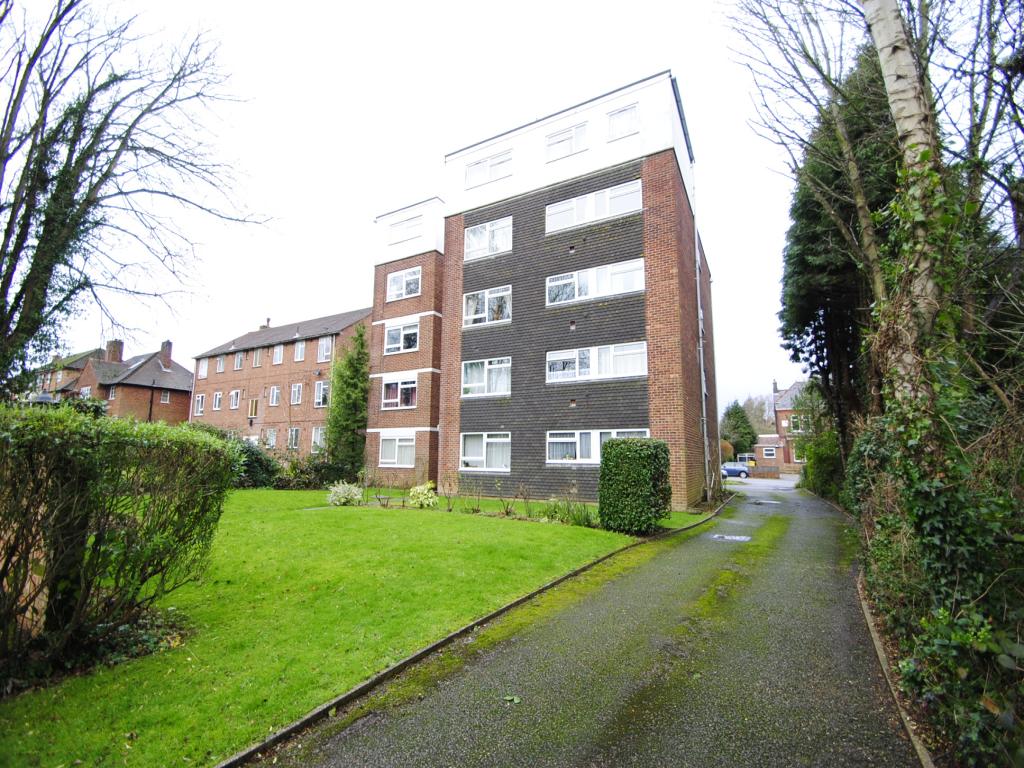
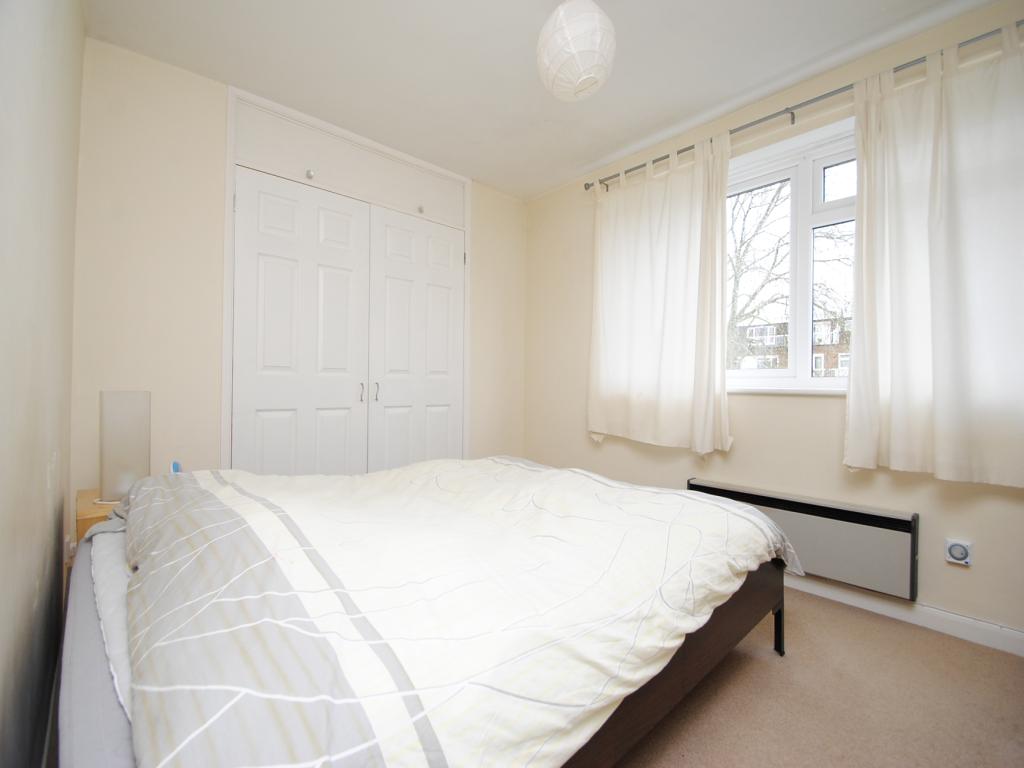
I came across this property which has just come on the market today at £215k. It’s a 2 bed leasehold unit of above average size on a great road in Southampton, however it’s a very old block with no ensuite. Your tenant pool will include under and post grad students, workers, young professionals and benefit recipients. Rental levels in the block are pretty well established at £825pcm, you might push it to £850pcm - but that is the max, even for a well presented unit like this one! Based on the asking price of £215k and a rental income of £825pcm your gross yield is 4.6% which is too low for this location in the Southampton market. As an investment it makes sense at the £175k to £180k mark tops!!
Six months ago a 2 bed sold in that same scheme for £156k and in October 2013 two x 2 bed units sold for £140k and £146.5k respectively. This unit is £35k overvalued.
There is good value in the Southampton market but you need to know what to look for and how to assess it properly. If I can be of assistance please drop me a line.


I came across this property which has just come on the market today at £215k. It’s a 2 bed leasehold unit of above average size on a great road in Southampton, however it’s a very old block with no ensuite. Your tenant pool will include under and post grad students, workers, young professionals and benefit recipients. Rental levels in the block are pretty well established at £825pcm, you might push it to £850pcm - but that is the max, even for a well presented unit like this one! Based on the asking price of £215k and a rental income of £825pcm your gross yield is 4.6% which is too low for this location in the Southampton market. As an investment it makes sense at the £175k to £180k mark tops!!
Six months ago a 2 bed sold in that same scheme for £156k and in October 2013 two x 2 bed units sold for £140k and £146.5k respectively. This unit is £35k overvalued.
There is good value in the Southampton market but you need to know what to look for and how to assess it properly. If I can be of assistance please drop me a line.

£4,000 fine and £1,000 costs for absentee rogue landlord
A landlord who left his tenant
living in a damp and dangerous house, has been fined £4,000 for failing
to carry out the improvements.
Liam Kelly, of County Kildare,
Ireland, was convicted at Manchester City Magistrates' Court in his
absence of failing to comply with a housing improvement notice issued by
Salford city council. He was also ordered to pay £1,060.54 in costs and
a victim surcharge of £120.
Magistrates were told that Salford
council housing officers visited the property in Walkden in February
last year, following a complaint from the tenant.
Officers inspected the whole house
and found there was no smoke detector fitted to the ground floor and the
back door was stiff and needed force to open and close it. The bedroom
windows could not be opened at the bottom, meaning anyone in the house
could not use them to escape a fire.
There was also a one metre high
damp patch in the middle of the living room wall and a leak from the
bathroom had caused a hole, cracks and bulging in the kitchen ceiling.
In March, officers wrote to the
landlord and the managing agent, Reeds Rains, detailing the hazards and
the work needed. Both were invited to reply within 14 days but no
response was received so the council issued an improvement notice
requiring the work to be completed within the next three months.
An inspection in June showed no one
of the work had been carried out. Kelly was invited to either attend an
interview in Salford to explain why it had not been done, or send in a
written defence but failed to respond.
http://www.landlordtoday.co.uk/news_features/%C2%A34-000-fine-and-%C2%A31-000-costs-for-absentee-rogue-landlord
Subscribe to:
Posts (Atom)