Search This Blog

Monday, 30 November 2015

Will the stamp duty increases on second homes drive up rents in Southampton?

The Residential Landlords Association (RLA) has warned that the stamp duty hike announced in the Autumn statement will only worsen the current shortage of accommodation and drive up the cost of rents.
The Chancellor stated that ‘solving the housing crisis was a top priority’. But the RLA said the focus again seems to be help for first-time buyers and home ownership with the announcement that those buying second homes and investing in buy-to-let will pay an extra 3% stamp duty than others buying a primary home to live in.  
This is another hit for landlords who are still anxious about how changes to mortgage interest relief (MIR) announced in the Summer Budget will affect them.

Given that the private rented sector has accounted for the large majority of new dwellings created in England between 1996 and 2013, this extra burden threatens to reduce the number of new homes available at a time when demand continues to rise.
RLA chairman Alan Ward said: “The biggest losers from the Autumn statement are tenants who will now find it even harder to get the accommodation they want at a price they can afford. The extra stamp duty on buy to let’s will exacerbate an already serious shortage of properties in many areas reducing choice and driving up rents.
“The government should be encouraging landlords to invest, not doing everything they can to discourage them.”

Friday, 27 November 2015

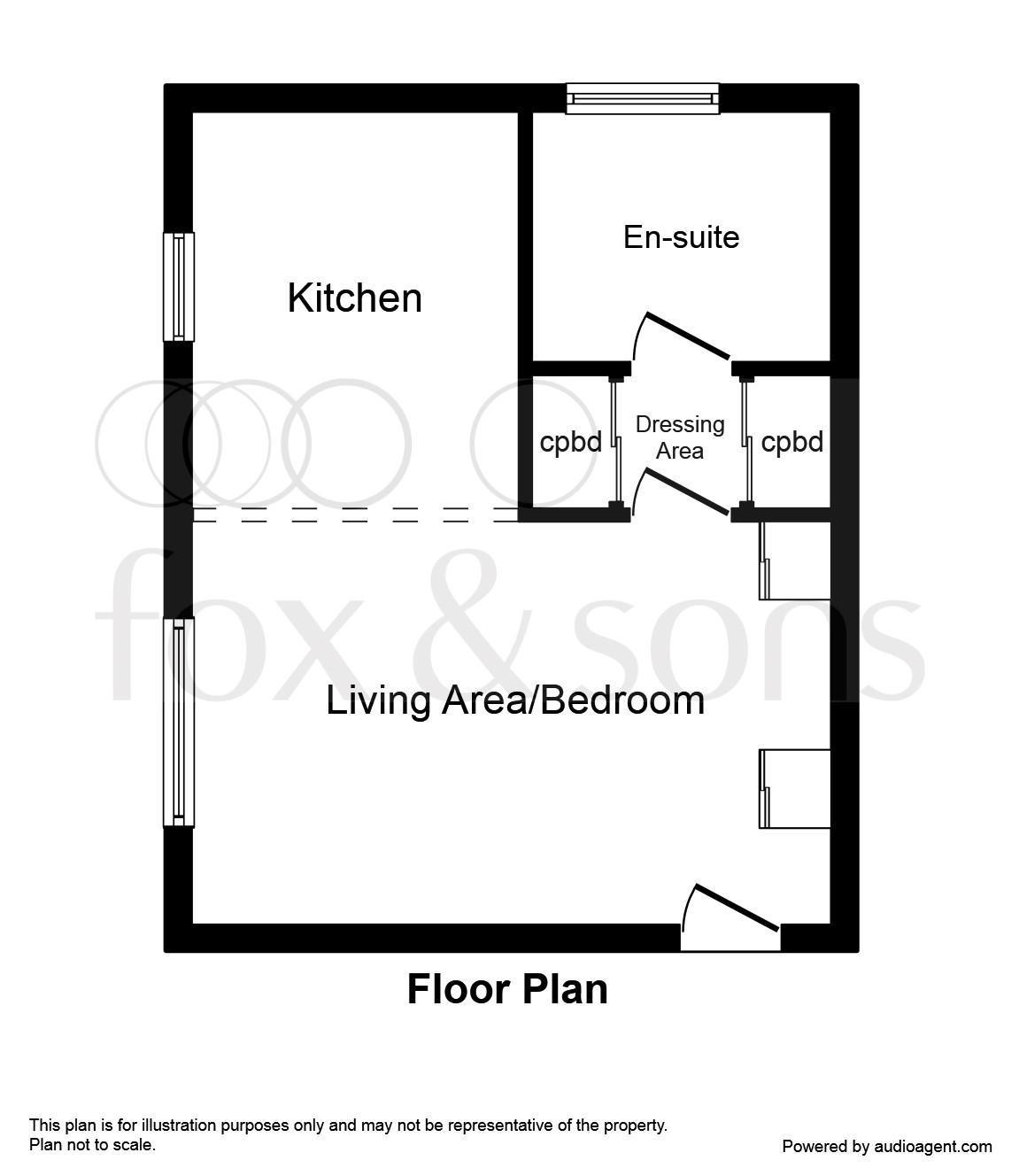
Southampton studio flat will make a good buy to let yielding 7% with no stamp duty!!


This nice studio unit has just come on the market at £90k. It is currently tenanted at £525pcm and has the added benefit of off road parking. It is really well located being close to all the Oxford St has to offer! It is also well positioned for Solent Uni and the businesses in the city and Ocean Village. Gross yield is good at 7% and no stamp duty! It won't be around for long Full details are here
http://www.zoopla.co.uk/for-sale/details/38750249?search_identifier=b79f86c9527b342c046191d04564e499#JouejAAbJvK2UZ5f.97

Wednesday, 25 November 2015

Southampton investors - stamp duty to increase by 3 % for Buy 2 Let properties!

Chancellor George Osborne has announced in the Autumn statement an increase in stamp duty on second homes and buy 2 let properties of 3% which will become effective in April 2016. More to follow when we have had a chance to review the full statement 

Friday, 20 November 2015

Buy-to-let demand will continue to soar

Demand for buy-to-let is set to soar with each new generation while home ownership will continue to plunge.
Fewer than half of those born in 1990 will own their own home by age 40, according to new data from Savills.
Its latest Residential Property Focus 2015 reveals that 53% of those born in 1960 could look forward to owning their own home by the age of 30, rising to 71% by the age of 40 and 79% by the age of 50.
Of those born in 1980, just 35% owned their home by age 30, and this is projected to fall to 26% for those born in 1990.
By age 40, most will be in rented accommodation, with just 47% predicted to own their own home.

Jonathan Stephens, managing director of Surrenden Invest, a specialist buy-to-let consultancy, said the figures spell good news for investors.
"Quite simply, falling rates of homeownership mean rising rates of renters, so the growing situation in the UK creates a substantial opportunity for those looking to make their money work for them by investing in residential real estate.
“Of course, alongside this it is important to remember that the area in which you invest is important too – a few miles difference, particularly in major cities like London, Manchester and Liverpool, can have a big impact on yields."

This is particularly true of London properties, he said. House prices are projected to rise by 21.5% in central London and by 18.2% in outer London over the next five years, according to Savills.

Will Southampton tenants face a “winter of discontent”?


Tenants asking their landlords to do anything more than the most urgent repairs face an uphill struggle this winter, according to research by the chartered accountancy firm, HW Fisher & Company.
In a study of residential landlords, the firm found almost a third (31%) intend to spend less than £250 on maintaining furniture and fixtures in the current tax year. The figure compares poorly with previous tax years, with 86% of landlords saying they usually spend more than £250 per year – and 14% saying they normally spend over £1000 a year.
More than twice as many landlords plan to spend the bare minimum – under £250 –  on maintenance this year compared to normal years, in which a mere 14% spend this little.
Their reluctance to spend on maintenance now has been triggered by a planned change in landlords’ tax allowances that gives them a perverse incentive to delay spending until next April.
The current wear and tear allowance, which the research shows is claimed by 86% of landlords letting furnished property, is paid whether or not they have repaired or replaced the property’s furniture and fittings.

But from next April the current rules – which give landlords a flat rate tax deduction of 10% of their rental income – will be scrapped in favour of a new system, under which they will only be able to deduct costs they actually incur.
Tim Walford-Fitzgerald, Tax Principal at HW Fisher & Company, explains: “The new system is intended to be fairer and more transparent, only giving landlords tax relief for the money they really pay out.
“But the impending change has thrown up an anomaly – landlords can spend nothing on maintenance this year and still claim 10% tax relief on their rental income. And they could save more tax on what they do spend if they delay doing so until after April.
“So it’s not surprising that many are holding off on all but the most essential maintenance until the next tax year. This is smart tax planning – but it will come as little comfort to tenants struggling with battered furniture and tatty carpets in their homes.”
The research also found that nearly two thirds of landlords (64%) disapproved of the plan to end the current wear and tear allowance, with almost as many (58%) viewing the present flat rate system as fairer than its proposed replacement.


Friday, 13 November 2015

House prices to rise 25 per cent in next five years warns RICS

UK House prices are expected to rise by 4.5 per cent for each of the next five years - a cumulative increase of around 25 per cent according to the RICS.
The culprit over the long term - as it has been in the short term - is a shortage of stock. RICS says demand continues to considerably outpace supply and the number of new instructions decreased in October for the ninth month in succession. 
In fact, the institution says the supply of new stock to the UK market has been in decline since the middle of 2014, with the number of new instructions only increasing in one of the months since then.

Demand, meanwhile, is strong. Following a small pick-up in agreed sales in September, activity was little changed this month across the UK. This chimes with HMRC transactions data, which continues to see the number of sales rising consistently over the year.
“It’s hard to get away from the issue of supply when it comes to the current state of the housing market. The legacy of the drop in new build homes following the onset of the global financial crisis is now really hitting home, with both the sales and letting markets continuing to show demand outstripping supply on a month-by-month basis” says Simon Rubinsohn, RICS chief economist.

“If the five year projections regarding the outlook for both prices and rents is anything to go by, property is set to become even more unaffordable going forward making the Government’s focus of boosting the delivery of new-build homes absolutely critical.”

Tenants don’t want longer tenancies, says DPS survey

Eight out of 10 renters want tenancies of a year or less, 40,000-strong survey by The Deposit Protection Service (DPS) suggests.
39,855 tenants whose deposits are protected by The DPS’ responded to the survey, with 80% saying that they preferred agreements that lasted no longer than 12 months.
Almost 90% said that they preferred agreements that lasted up to two years, with 34.60% of the total saying they wanted contracts for six months or less.
Julian Foster, DPS managing director, said: “This comprehensive survey suggests that the idea that tenants crave longer tenancies is a myth.
“Like landlords, many tenants prefer the flexibility provided by shorter tenancy agreements rather than being locked into long commitments over where they live and who they rent from.
“Tenancy agreements are vital ingredients in establishing happy tenancies for both landlords and tenants, and it’s critical that they reflect the needs of both parties.”

Almost seven out of 10 tenants said that they preferred a rolling contract of one or two months’ notice at the end of their tenancy rather than a new fixed-term contract, which was preferred by 28%.
Tony, 48, from Bolton, told The DPS: “I’m currently working on a short-term contract, so a shorter tenancy works far better for me. The nature of my work means I move around so I don’t want to be trapped somewhere or risk paying large sums for no good reason.”
Mitchell, 25, a chef in Weston-Super-Mare, said: “I prefer short term contracts as they don’t tie you down to one property.”
Mary, a 74-year-old retiree from Wiltshire, said: “I preferred a shorter-term agreement because my husband and I were in between properties. We didn’t want to be tied down and, if we wanted to stay longer, we could always go ‘periodic’ at the end.”
George, 25, in Lancaster, said: “I’m a student so I need flexibility over where I live.”