Search This Blog

Wednesday, 6 April 2016

LANDLORDS BLAST ‘PREMATURE’ MEASURES TO CURB BUY-TO-LET


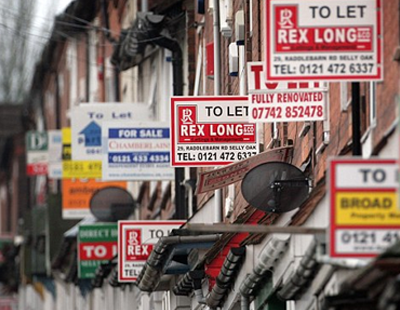
Proposals by the Bank of England to curb buy-to-let lending are premature according to the RLA.
The Bank claims increased buy-to-let lending is now a risk to the economy as a whole and wants to impose new controls, including strict affordability tests taking into account borrowers’ costs and personal income.
It also wants to see lenders take into account potential future interest rate increases and a special underwriting process introduced for ‘portfolio landlords’ with more than four properties. The new measures have gone out for consultation today.
The Residential Landlords Association, whilst agreeing that no landlord should take on debt that they cannot afford, is warning that the proposals are premature given the considerable tax changes being made to the sector which are likely to cool the market.
In February the Treasury Select Committee warned that measures taken to curb buy-to-let could come at a cost to the wider economy given the importance of the sector to supporting and encouraging a flexible labour market.
David Smith, the RLA’s Policy Director said: “The Bank needs to be careful that it does not over-react to the current surge in buy-to-let applications which are aiming to beat the tax increases coming in April. These include a three percentage points extra levy on stamp duty and abolition of mortgage interest relief. It is likely that the impact of these will significantly reduce the demand for borrowing.
“We would urge the Bank to tread carefully and avoid any premature moves that could stifle the supply of the one million rental properties the country desperately needs.”

Tuesday, 5 April 2016

Will Southampton Landlords move towards limited companies

A survey of nearly 1,400 private rented sector landlords undertaken by BDRC Continental on behalf of Paragon Mortgages has revealed that increasing numbers are considering moving their property investments into limited company vehicles.
The move comes as landlords plan for the increased rate of stamp duty on buy-to-let purchases and cuts to landlord tax relief.
Of the landlords surveyed, 41% indicated they are considering moving their portfolio into a limited company following the Chancellor’s decision to limit tax relief available to landlords last year. 
A further 5% have already established limited companies. For larger landlords with 20 or more properties, 14% are already operating as limited companies, while 63% are considering it.
In terms of portfolio growth, 43% of landlords surveyed agreed that the stamp-duty increase will affect their buy-to-let purchasing plans over the next couple of years. This figure rises to 63% for larger landlords with 20 or more properties.
 Despite uncertainty about what impact the changes to tax relief and stamp duty might have however, tenant demand amongst landlords is still perceived as being high. 
Demand for rented property in Q4 2015 was strongest in the South West where 40% of landlords reported demand to be rising. Landlords in the North East experienced the weakest demand, with just under a quarter (24%) of landlords reporting increased demand.
Reflecting this demand, average yields have also remained stable and averaged 5.6% across the country – unchanged on the previous quarter. The North West saw the highest yields, at 6.2%, while outer London had the lowest, at 5.1%.
John Heron, director of mortgages at Paragon, said: “Recent government interventions into the buy-to-let market are now beginning to impact landlord sentiment and plans. The fundamental drivers of the market however – tenant demand and yields – remain strong so there are competing dynamics at play.

“It is interesting to see that concern about the impact of changes to stamp-duty and tax relief is greatest among larger landlords. This concern is likely to grow now that the government have confirmed that landlords with larger portfolios will have to pay the increased rate of stamp-duty on buy-to-let purchases.”

Saturday, 26 March 2016

Flat prices rise by £1,000 per month since financial crash

·        

           Flat prices have outperformed all other property types, rising by over £86,000 since 2008
·         On average people paying almost £20,000 more for flats than semi-detached properties
·         First-time buyers bypass flats in favour of semi-detached homes
The average price of a flat in the UK has risen by £86,474 (£1,029 per month) since property prices were at their lowest in late 2008 – from £150,749 in Q4 2008 to £237,223 at the end of 2015, according to the latest research from Halifax.
The 57% increase in the average price of a flat is significantly higher than the 37% rise for all residential properties over the same period. Additionally, it means that buyers are on average now paying almost £20,000 (£17,978) more for a flat than for a semi-detached home, meaning only detached properties and bungalows command a higher price nationally. Detached homes recorded the smallest rise (20%) over the past seven years, while terraced and semi-detached houses saw price rises of 38% and 34% respectively since 2008. 
A considerable proportion of the national rise in flat values since 2008 is due to the rapid increase in flat prices in London (62%); flats represent a much higher share of the property market here than elsewhere; half of sales in the capital (50%) are of flats compared with the UK average of 17%.
However, if London performance is excluded, then price growth is greatest for terraced homes (31%); closely followed by semi-detached houses (29%). Both have outpaced flats (26%). Detached home properties remain the worst performer (19%) on this basis. 
Prices have increased by around 20% across all property types since 2013 with the exception of detached properties, which have seen a much lower rise (8%).
Martin Ellis, housing economist at Halifax, commented:
“The high prices being paid for London flats have had a significant impact on the national picture when it comes to property type winners and losers. This is the result of more flats being sold in the capital and at the higher end of the market. Such is their popularity that flats continued to outperform other property types in the capital last year, with an annual price growth of 17% by the end of 2015.” 
Terraced homes (30%) and semis (29%) are still the most popular types of property purchased as in 2008. There have, however, been some changes in market composition over the past seven years, with an increase in the share of semi-detached homes (from 25% to 29%), whilst the proportion accounted for by flats has fallen from 22% to 17%.
This shift from flats to semis has been particularly marked for first-time buyers. Semi-detached homes have risen in popularity, accounting for 29% of purchases in 2015 compared with 23% in 2008. However, flat sales for first-time buyers have fallen from 32% of all property sales to 23% over the same period.
Martin Ellis continues: "Semi-detached and terraced homes have remained the most popular property types amongst purchasers, and increasingly so for first-time buyers. Whilst many might expect a flat to be the most typical first step on the housing ladder, it is clear that this is shifting with more and more first-time buyers bypassing this option, choosing a semi-detached house instead."
Flats and terraced homes are best for buyers with tight budgets
A typical flat costs less than £120,000 – below the lowest stamp duty threshold – in the North, Wales and Yorkshire and the Humber, and costs between £120,000 and £145,000 in the North West, West Midlands, East Midlands and Scotland.
Whilst average flat prices are lower than for any other property type in London, at £385,269, they are considerably higher than flat prices anywhere else in the UK.
The average price of a terraced home is between £120,000 and £147,000 in all regions outside southern England.

For the full report please see

Wednesday, 23 March 2016

Sharp rise in house prices as stamp duty surcharge deadline nears


Average house prices across the UK increased by 7.9 per cent over the year to January, up from 6.7 per cent in the year to December, according to data from the Office for National Statistics.
The average price for properties bought by first-time buyers increased by 7.7 per cent over the year to January, up from an increase of 6.4 per cent in the year to December.
The average price paid for a house by a former owner-occupier was £340,000, while the average price paid for a house by a first-time buyer was £222,000 and the overall average UK mix-adjusted house price in January was £292,000.
The ONS offers no analysis to explain the rise but agents say this may be down to a surge in purchasing ahead of the stamp duty surcharge deadline, coming next week.

The overall ONS figures masked significant regional variations. 
Average house prices in England rose over the year to January by 8.6 per cent, up from 7.3 per cent in the year to December, but there was a 0.3 per cent decrease in average house prices in Wales.

Within England the largest annual increase coming in the south east at 11.7 per cent, with London up 10.8 per cent. The north east continued to have the lowest annual growth of any part of the UK -up just 0.9 per cent in a year.

Monday, 21 March 2016

Average house price increases 50% over 10 years

  • As demand soars and supply remains tight, the average price of a property coming to market in England and Wales passes £300,000 for the first time

  • Challenges facing both first-time buyers and those trading up highlighted by 50% increase in just 10 years:

    • £100,000 jump in new seller asking prices from £200,980 in March 2006, to £303,190 today

    • Affordability constraints emphasised by average wage growth of only 22%1 over last 10 years

  • 3% price jump in March (+£3,903) is second-highest at this time of year since the 2008 credit crunch

  • Momentum spreads north and west with six out of ten regions setting record price highs this month

  • London no longer leads the pack as prices stand still

The mismatch between supply and demand has resulted in six new record highs over the past twelve months in the price of property coming to market. However, this month sees a particularly significant milestone as the average breaks through and beyond the £300,000 mark for the first time. Today’s asking prices are now over 50% higher than they were ten years ago. This highlights the growing housing affordability gap now affecting more and more aspiring first-time buyers and potential trader-uppers.
Miles Shipside, Rightmove director and housing market analyst comments:
“While the start of 2016 has seen an encouraging but modest uptick in the number of properties coming to market, demand and momentum have combined to push prices over £300,000. On average 30,000 properties have come to market each week over the past month, up by 3% on this time last year, but there are insufficient numbers of newly-listed properties in many parts of the country to meet demand. Visits to the Rightmove website are up by 14% in early March compared to the same period in 2015, so it’s no surprise that those buyers who can borrow more or can find some extra cash are keeping the price merry-go-round spinning, even though increasing numbers of aspiring home-movers cannot afford the ride.”
The increasing challenges of both getting onto the ladder and trading up are highlighted by the 50% increase in the price of property coming to market in just 10 years. With that timespan including the period after the credit crunch which saw several years of falling or stagnant property prices, it shows the strength of the recovery for today’s £303,190 average to be over £100,000 higher than the £200,980 of March 2006. In contrast, average wage growth of 22% over the most recent ten years has failed to keep pace with CPI inflation of 26.8%2 which highlights the well-documented issues of raising a deposit and affording a mortgage. The rebound from the housing market downturn has been driven by underlying demand, greater availability mortgage lending, and the economic recovery. The release of this pent-up demand and the shortfall in housing supply are resulting in insufficient availability of affordable stock in many locations.
Shipside adds:
More first-time buyers and would-be trader-uppers are finding themselves ill-equipped to cope with current house prices given the tighter lending criteria and average earnings lagging well behind house price growth. However, stronger growth in average earnings would not have helped the situation as it would simply have enabled buyers to bid prices up even higher, chasing the limited supply of suitable housing stock. In last week’s Budget the Chancellor could have encouraged landlords and second home owners to sell their properties and improve supply if he had extended the reduction in Capital Gains Tax to include those transactions. With no other significant property-related new measures in the Budget it at least allows time for his raft of recent initiatives to bed in.”
This month’s national average 1.3% jump in the price of property coming to market is the second-highest at this time of year since the 2008 credit crunch. The break through the £300,000 mark is not being driven by London, where prices are at a standstill. Upwards price momentum and stretched affordability are spreading north and west, with six out of ten regions achieving record asking price highs. All four southern regions are joined by the West Midlands and the North West, with the East Midlands being only £373 shy of an all-time high.
http://www.rightmove.co.uk/news/wp-content/uploads/2016/03/Rightmove-House-Price-Index-March-2016-FINAL.pdf

Demands on the Private Rented Sector are greater than ever


RLA Policy Director David Smith has given evidence to the House of Lords Economic Affairs Committee as part of its inquiry into the UK housing market.
Dr Smith told Peers that it is the lack of housing, not the number of buy-to-let landlords that is the major crisis facing the UK – and said that the demands on the Private Rented Sector are greater than ever before.
He said: “Unless we address supply radically, there will be no significant change in housing cost. Simply shifting the dynamics so that it is more attractive to owner-occupiers than it is to private landlords does not increase supply; it just moves property around a merry-go-round. We must increase supply. Everything else, to some extent, is a red herring.”
Dr Smith also promoted the RLA’s call to local authorities to free up small plots of land that could be redeveloped as housing, after 46% per cent of RLA members responding to a survey said that they would be interested in helping to fund developments of fewer than 10 units.
He said: “At the moment, there is no pressure on local authorities to release small plots. We asked the two proposed candidates for the new (London) mayor, whoever is finally elected, to look at using their planning powers to reconsider that.
“Currently, the mayoralty’s planning interests focus more on building large institutional structures or large buildings that are sold to private sector landlords abroad. We have asked the mayor to rethink his planning powers to look at smaller plots and to encourage or compel local authorities to make them available.”
He also commented on the new changes to Stamp Duty Land Tax, calling for tax relief for those investing in new build. He said: “We would like to see a change to the Stamp Duty Land Tax to give landlords a discount on the 3% increase when they have done something that brings new-build property on to the market.
“Where they have invested money in new-build property, thereby increasing the overall supply, hopefully, we think that they should be relieved from the 3% uplift that will apply to Stamp Duty Land Tax.”

Monday, 14 March 2016

Property buying ‘frenzy’ spreads across the country


A property buying spree recorded in the East of England last month has now spread across the rest of the UK. The latest report from Home.co.uk calculates that average house prices will rise by a further 0.9% this month, bringing the annual growth figure up to 7.9%. 
The property website says that fierce competition among buyers in the early spring period has driven down typical time on the market figures in many parts of the country, with the East and South East regions of England registering the shortest marketing times recorded since the summer of 2007.
According to Home, the typical time on the market across England and Wales is now just 102 days, 17 fewer than in March 2015.Over the last month, the longest marketing times were recorded in the North and Wales as supply remains 'relatively buoyant' and prices remain stable.

Home says, however, that the total stock of available property remains very low and that the number of properties currently entering the market is 4% lower than this time last year. It reports that the West Midlands has been hit the hardest, with stock levels 12% lower last month when compared with February 2015.
Agents' stock also dropped by 8% last month in the South West when compared with the same period last year.
Doug Shephard, Home.co.uk director, says the ‘buy-to-let stampede’ before April’s 3% stamp duty surcharge has doubled the effect of the annual spring boost in property market activity. 
“This investment frenzy is providing fierce competition for first- and next-time buyers who are probably best advised to stay out of the fray until the dust settles,” he says.
“We expect that prices there will reach their affordability limits later this year and a similar market dynamic will take hold in the West Midlands, the South West and the East Midlands towards the end of the year, together with significant price growth in 2017.”

Home expects that post April the market will ‘pause for breath’ but that the underlying fundamental of cheap borrowing and tight supply will remain overall.