Search This Blog

Tuesday, 29 November 2016

£19m paid in Stamp Duty by Southampton Residents

“A pound saved is worth two pounds earned . . . after taxes” is what my Grandfather used to say. He loved his irony, yet was always a wise man, and it is tax I want to talk about today, in particular, property taxation .. Stamp Duty in fact.

Apart from some minor exemptions, Stamp Duty is paid by anyone buying a property over £125,000 in the UK. It presently raises £10.68bn a year for the HM Treasury (interesting when compared with £27.6bn in fuel duty, £10.69bn in alcohol duty and £9.48bn in tobacco duty).

In the latest set of data from HMRC, in the MP constituencies that cover Southampton, property buyers paid £19m stamp duty in one year alone – a lot of money in anyone’s eyes (although not as much as the £646m in income tax that all of us in the same area paid last year).

However, as you may know, George Osborne introduced an additional tax for landlords and from 1st April 2016 they had to pay an additional 3% stamp duty surcharge on top of the normal stamp duty rate when purchasing a buy to let property. There were tales of woe and armageddon with a report by Deutsche Bank suggesting that the new surcharge could see house prices fall by as much as 20%.

HMRC data released in the Summer for Quarter 2 (Q2) of 2016 did seem to back up those fears as they published some worrying figures; only one in seven properties purchased was a second home or buy-to-let (in real numbers, only 30,300 of the 207,900 properties in Q2 were bought by landlords).

In previous articles, I spoke about the slump of property transactions after the 1st of April (as landlords rushed through their property purchases in March to beat the April deadline). In Q2 of 2016, £1.976bn was raised in Stamp Duty from Residential Property. Of that £1.976bn, £652m was paid by buy to let landlords (£424m in normal stamp duty and £228m in the additional 3% surcharge).

However, looking at Q3, the numbers have improved significantly. Of the 235,000 property sales, nearly one in four of them (56,100 to be precise) were bought by buy to let landlords and of the £2.208bn in stamp duty, £864m was paid in ‘normal’ stamp duty by BTL landlords and an impressive £442m paid by those same landlords in the additional stamp duty surcharge.

The statistics suggest buy to let investors have thankfully not been deterred by the stamp duty surcharge introduced in April this year. The figures also show that 65.4% of "buy to let" purchases cost less than £250,000, 23.7% of properties were in the £250k to £500k range and 10.9% (or 6,100 additional properties) of buy to let properties bought cost over £500k – interestingly nearly one in four (22.2%) of £500k properties purchased in Q3 were buy to let properties.


It just goes to back up what I stated a few weeks ago when I suggested that many investors had rushed to make purchases before 31st March, making figures in the following months (Q2) artificially low when the 3% supplement was introduced, but in Q3 the number of buy to let properties purchased increased by 85%.

If you are a landlord or thinking of becoming one for the first time and you want to read more articles like this about the Southampton Property Market, together with regular postings on what I consider the best buy to let deals in Southampton (out of the many of properties on the market, irrespective of which agent is selling it) then feel free to get in touch.

If you are looking for an agent that is well established, professional and communicative, then contact us to find out how we can get the best out of your investment property.

Email me on brian.linehan@belvoirlettings.com or call on 023 8001 8222.

Don't forget to visit the links below to view back dated deals and Southampton Property News.


Friday, 25 November 2016

Southampton Landlords and Tenants : What does the Tenant Fee Banning order mean for you?

  • ·         Tenant Fees set to banned within 12 to 18 months
  • ·         Rents due to rise as those fees passed to Landlords
  • ·         Landlords won’t be worse off – and neither will tenants or agents


With our new Chancellor of the Exchequer revealing a ban on tenant fees in his first Autumn Statement on Wednesday what does this actually mean for Southampton tenants and Southampton landlords?

The private rental sector in Southampton forms an important part of the Southampton housing market and the engagement from the chancellor in Wednesday’s Autumn Statement is a welcome sign that it is recognised as such. I have long supported the regulation of lettings agents which will ensconce and cement best practice across the rental industry and, I believe that measures to improve the situation of tenants should be introduced in a way that supports the growing professionalism of the sector. Over the last few years, there has been an increasing number of regulations and legislation governing private renting and it is important that the role of qualified, well trained and regulated lettings agents is understood.

Great News for Southampton Tenants

So, let’s look at tenants ... this is great news for them, isn’t it?  Well before you all crack open the Prosecco, read this …

Although I can see prohibiting letting agent fees being welcomed by Southampton tenants, at least in the short term, they won’t realise that it will rebound back on them.

First up, it will take between 12 and 18 months to ban fees, as consultation needs to take place, then it will take an Act of Parliament to implement the change. A prohibition on agent fees may preclude tenants from receiving an invoice at the start of the tenancy, but the unescapable outcome will be an increase in the proportion of costs which will be met by landlords, which in turn will be passed on to tenants through higher rents.

Published at the same time as the Autumn Statement, hidden in the Office for Budget Responsibility’s Economic and Fiscal Outlook on the Autumn Statement (The Office for Budget Responsibility being created by Government in 2010 to provide independent and authoritative analysis of the UK’s public finances), it said on Wednesday …

“The Government has also announced its intention to ban additional fees charged by private letting agents. Specific details about timing and implementation remain outstanding, so we have not adjusted our forecast. Nevertheless, it is possible that a ban on fees would be passed through to higher private rents”


The charity Shelter and Scotland

Scotland banned Letting Fees in 2012. The charity Shelter have been a big voice in persuading and lobbying the Government since it managed to persuade the Scottish Parliament to ban fees in 2012. On all the TV and radio shows at the moment, they keep talking about their Independent Research, which they said showed that,

“renters, landlords and the industry as a whole had benefited from banning fees to renters in Scotland. It found that any negative side-effects of clarifying the ban on fees to renters in Scotland have been minimal for letting agencies, landlords and renters, and the sector remains healthy.”

Going on,

“Many industry insiders had predicted that abolishing fees would impact on rents for tenants, but our research show that this hasn’t been the case. The evidence showed that landlords in Scotland were no more likely to have increased rents since 2012 than landlords elsewhere in the UK. It found that where rents had risen more in Scotland than in other comparable parts of the UK in 2013, it was explained by economic factors and not related to the clarification of the law on letting fees”

.. yet the devil is in the detail….

Only yesterday Shelter were quoting this Research from December 2013 to say rents never went up following the tenant fee ban in Q4 2012. I have read that research and I agree with that research, but it was published three years ago, only 12 months after the ban was put into place.

I find it strange they don’t seem to mention what has happened to rents in Scotland in 2014, 2015 and 2016 ... because that tells us a completely different story!

What really happened in Scotland to rents?

I have carried out my research up to the end of Q3 2016 and this is the evidence I have found...

In Scotland, rents have risen, according the CityLets Index
by 15.3% between Q4 2012 and today

 (CityLets being the equivalent of Rightmove North of the Border – so they know their onions and have plenty of comparable evidence to back up their numbers).

When I compared the same time frame, using Office of National Statistics figures for the English Regions between 2012 and 2016, this is what has happened to rents

·         North East 2.17% increase
·         North West 2.43% increase
·         Yorkshire and The Humber 3.21% increase
·         East Midlands 5.92% increase
·         West Midlands 5.52% increase
·         East of England 7.07% increase
·         South West 5.82% increase
·         South East 8.26% increase
·         London 10.55% increase

….and let me remind you about Scotland … 15.3% increase.


Are you really telling me the Scottish economy has outstripped London’s over the last 4 years? Is anyone suggesting Scottish wages and the Scottish Economy have boomed to such an extent in the last 4 years they are now the Powerhouse of the UK?  ... because if they had, Nicola Sturgeon would have driven down the A1 within a blink of an eye, to demand immediate Independence.

So, what will happen in the Southampton Rental Market in the Short term?

Well nothing will happen in the next 12 to 18 months ... it’s business as usual!

… and the long term?

Rents will increase as the fees tenants have previously paid will be passed onto Landlords in the coming few years. Not immediately ... but they will.

As a responsible letting agent, I have a business to run. It takes, according to ARLA, (Association of Residential Letting Agents) on average 17 hours work by a letting agent to get a tenant into a property. We need to complete a whole host of checks prescribed by the Government; including a right to rent check, Anti Money Laundering checks, Legionella Risk Assessments, Gas Safety checks, Affordability Checks, Credit Checks, Smoke Alarm checks, Construction (Design & Management) Regulations 2007 checks, compliance with the Landlord and Tenant Act, registering the deposit so the tenants deposit is safe and carry out references to ensure the tenant has been a good tenant in previous rented properties.

All of which the vast majority of lettings agents take very seriously and are expected to know inside out making us the experts in our field. Yes, there are some awful agents who ruin the reputation for others, but isn't that the case in most professions?

.. but business is business.

No landlord, no tenant and certainly no letting agent does work for free.

I, along with every other Southampton letting agent will have to consider passing some of that cost onto my landlords in the future. Now of course, landlords would also be able to offset higher letting charges against tax, but I (as I am sure they) wouldn’t want them out of pocket, even after the extra tax relief.

So what does this all mean for the future?

The current application fee for a single person at my lettings agency is £300 and for a couple £400 ... meaning on average, the fee is around £350 per property.

I am part of a Group of 500+ Letting Agents, and recently we had to poll to find the average length of tenancy in our respective agencies. The Government says its 4 years, whilst the actual figure was nearer one year and eleven months, so let’s round that up to two years.

That means £350 needs to found in additional fees to the landlord, on average, every two years which means rents would need to rise by c£15 per month to meet this cost.

Conclusion

The banning of letting fees is good news for landlords, tenants and agents.

It removes the need for tenants to find lump sums of money when they move. That will mean tenants will have greater freedom to move home and still be better off in real terms compared to if rents had increased in line with inflation.

Landlords will be happy as their yield and return will increase with greater rents whilst not paying significantly more in fees to their lettings agency. Letting agents who used to charge fair application fees won’t be penalised as the rent rises will compensate them for any losses.

.. and the agents that charged the silly high application fees ... well that’s their problem. At least I know I can offer the same, if not a better service to both my landlords and tenants in the future in light of this announcement from Phillip Hammond.

If you are a landlord or thinking of becoming one for the first time and you want to read more articles like this about the Southampton Property Market, together with regular postings on what I consider the best buy to let deals in Southampton (out of the many of properties on the market, irrespective of which agent is selling it) then feel free to get in touch.

If you are looking for an agent that is well established, professional and communicative, then contact us to find out how we can get the best out of your investment property.

Email me on brian.linehan@belvoirlettings.com or call on 023 8001 8222.

Don't forget to visit the links below to view back dated deals and Southampton Property News.


Thursday, 21 July 2016

Bank of England says housing transactions 'resilient' despite Brexit


The Bank of England says there has been a dip in the housing market activity after the Brexit referendum result - but transactions have so far proved to be “resilient” and stronger than some expected.
In a broad-ranging report on the economy since June 23 - the first of the Bank’s monthly surveys since the Brexit decision - little evidence was found that investment decisions and wider economic activity had slowed.
“There had been little evidence of any impact on consumer spending on services and non-durable goods, although there were some reports of consumers becoming more hesitant around purchases of higher-value goods.”

The Bank of England said its regional agents across the UK had noticed a “business as usual” response by most companies, despite the initial shock at the referendum result.
“The majority of firms spoken with did not expect a near-term impact from the referendum result on their capital spending. But around one third expected some negative effects over the next 12 months, with reports of a ‘risk off’ approach to expenditures and some imminent plans for spending slipping” says the report.

Former RICS residential chairman and north London estate agent Jeremy Leaf responded to the BoE report by saying that “on the ground we have seen determination on behalf of people to negotiate hard and a new sense of realism emerge.” 
https://www.estateagenttoday.co.uk/breaking-news/2016/7/bank-of-england-says-housing-transactions-resilient-despite-brexit

If you are a landlord or thinking of becoming one for the first time and you want to read more articles like this about the Southampton Property Market, together with regular postings on what I consider the best buy to let deals in Southampton (out of the many of properties on the market, irrespective of which agent is selling it) then feel free to get in touch.

If you are looking for an agent that is well established, professional and communicative, then contact us to find out how we can get the best out of your investment property.

Email me on brian.linehan@belvoirlettings.com or call on 023 8001 8222.

Don't forget to visit the links below to view back dated deals and Southampton Property News.


Monday, 18 July 2016

Rightmove: Asking prices dip but it's down to summer, not Brexit


Rightmove’s latest house price index, covering two weeks either side of the EU referendum at the end of June, suggests average asking prices have dipped by 0.9 per cent.
But the portal stresses that this fall - equivalent to £2,647 on a typical asking price - is seasonal, not Brexit-inspired. Since 2010 the month of July has recorded average price falls of 0.4 per cent so this dip is bigger, although not worryingly so.
“Political turbulence has a track record of unsettling sentiment. Indeed last year saw a seasonally unusual 0.1 per cent fall in the run up to the May election, and a June and July price surge as a result of the post-election boost” says Miles Shipside, Rightmove director and housing market analyst. 
In the two weeks immediately after the EU referendum, compared to the same fortnight in 2015, enquiries to agents from buyers were down by 16 per cent.  However, last year’s figures were boosted by pent-up demand after the surprise general election result, which saw a 25 per cent uplift in buyer enquiries in June and July compared to the same two-month period in 2014.

Buyer enquiry levels in the two weeks after the Brexit vote are now consistent with the same period in 2014, which is a more comparable benchmark.
“Agents in areas where stock shortages were driving momentum before the referendum say activity has recovered quickly, with buyers’ fear of losing a scarce property a key factor. They say that very few deals have fallen through as a direct result of post-Brexit jitters. Those areas of the country whose housing markets were struggling or readjusting earlier in the year, such as parts of London, will continue on what is often a fairly lengthy path of price reductions to encourage buyers to return in numbers” says Shipside.
Encouragingly, instruction numbers are up - ahead even of this time last year. 
“The two weeks before the Brexit vote saw the number of properties coming to market down by eight per cent, though the two weeks afterwards have now seen the levels up by six per cent” he says. 


New government must act quickly to tackle the Housing Crises


The House of Lords’ Economic Affairs Committee has strongly recommended the government lift its target by 50 per cent and build 300,000 homes each year in order to tackle the housing crisis. In a report published last week by the cross-party group criticised current housing policy for setting a new homes target which will fail to meet the demand for new homes or moderate the rate of house price increases.
It also took issue with the government restricting local authorities’ access to funding to build more social housing and a narrow focus on home ownership which neglects those who rent their home.
Finally, the committee raised the issue of frequent changes to tax rules, subsidies for house purchases, reductions in social rents, and the extension of the Right to Buy all creating uncertainty in an “already dysfunctional housing market”.
The report therefore recommended lifting restraints on local authority borrowing to fund social housebuilding and resume their historic role as one of the major builders of new homes.
It suggested council tax should be charged on developments that are not completed quickly, stating the government’s reliance on private developers to meet its target of new homes is “misguided”.
The report called the private sector housebuilding market “oligopolistic”, with the eight largest builders building half of all new homes on a business model “restricting the volume of housebuilding to maximise their profit margin”.
The government must also take decisive steps to build on the “very substantial” holdings of surplus publicly owned land, with the National Infrastructure Commission deemed best to oversee this process, it said.
“Local authorities should be given the power to increase planning fees,” the report added, suggesting local authorities should be able to set and vary planning fees to help fund a more efficient planning system, with the upper cap on these charges set much higher than the current limit.
Lord Hollick, chairman of the committee, said the only way to face the acute housing crisis is to increase supply.
“The country needs to build 300,000 homes a year for the foreseeable future. The private sector alone cannot deliver that. It has neither the ability nor motivation to do so; we need local government and housing associations to get back into the business of building,” he stated.
“The government are too focused on home ownership which will never be achievable for a great many people and in some areas it will be out of reach even for those on average incomes.”
He also called it “very concerning” that changes to stamp duty for landlords and cuts to social rent could reduce the availability of homes for rent.
The Residential Landlords Association picked up these points and called on the new government to drop its predecessor’s attacks on the buy-to-let market and ensure that the tax and planning systems encourage individual landlords to invest in new properties.
Alan Ward, chairman of the RLA, argued corporate investors are simply failing to develop the required homes to rent.

“The vast majority of landlords are individuals, renting out just a few properties,” he stated. “With the right planning and tax policies, they are ideally placed to invest in new homes to rent and to make better use of the country’s existing housing stock, including converting large properties into more useable smaller units of accommodation.”


Saturday, 9 July 2016

Annual House Price Growth eases to 8.4% in June 16


The latest Halifax House Price index has just been released and it's key findings are:

  • Prices in the 3 months to June were 8.4% higher than in the same period of 2015. This was down from 9.2% in May and was the lowest since July 2015 (7.8%)
  • House prices in the last 3 months to June 16 were 1.2% higher than in the preceding 3 months. This was slightly below Mays 1.5% increase and was the lowest rise since December 2014 (1%)
  • Home sales stabilised in May. There was a surge of activity on the run up to March with the stamp duty changes and in May 89,700 completions took place up 1.5% on April. However this is still well below the six month average which amounts to 106,750.
The full report is available here
http://static.halifax.co.uk/assets/pdf/mortgages/pdf/June-2016-House-Price-Index.pdf

Friday, 1 July 2016

Southampton Take two!! Two houses on the same road and £50k price difference

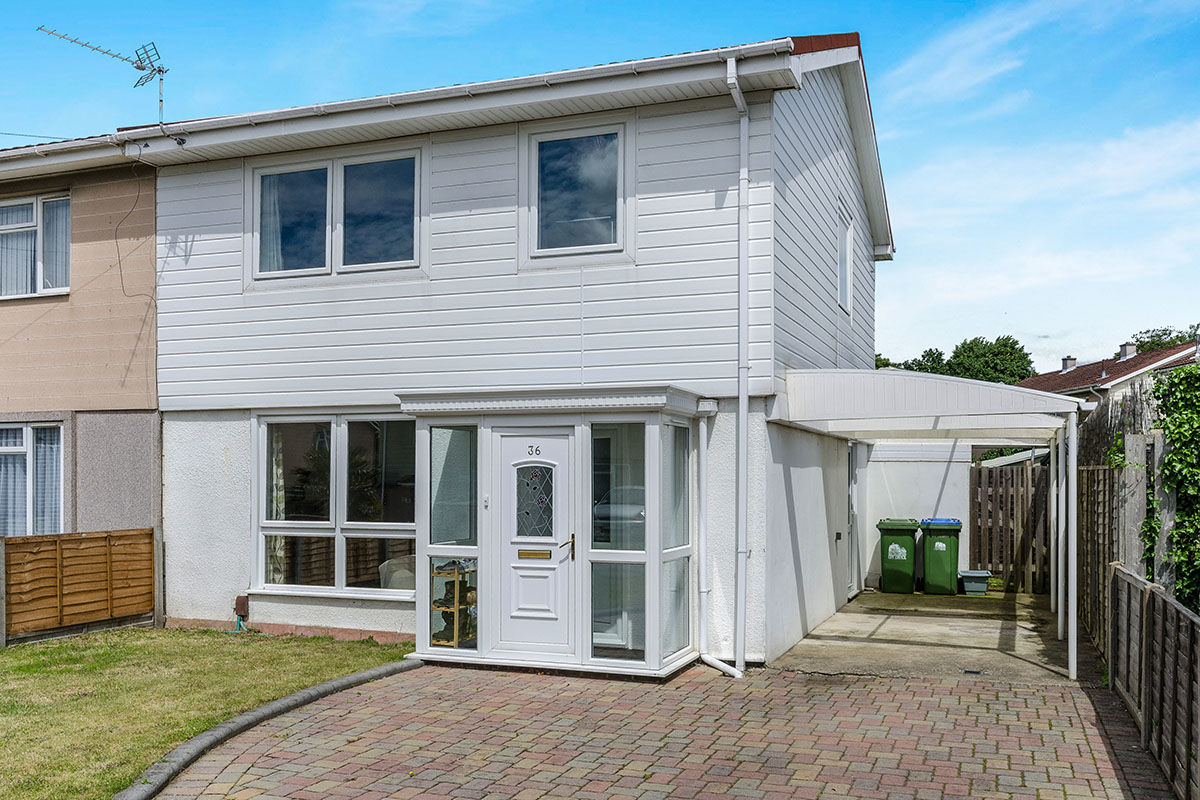
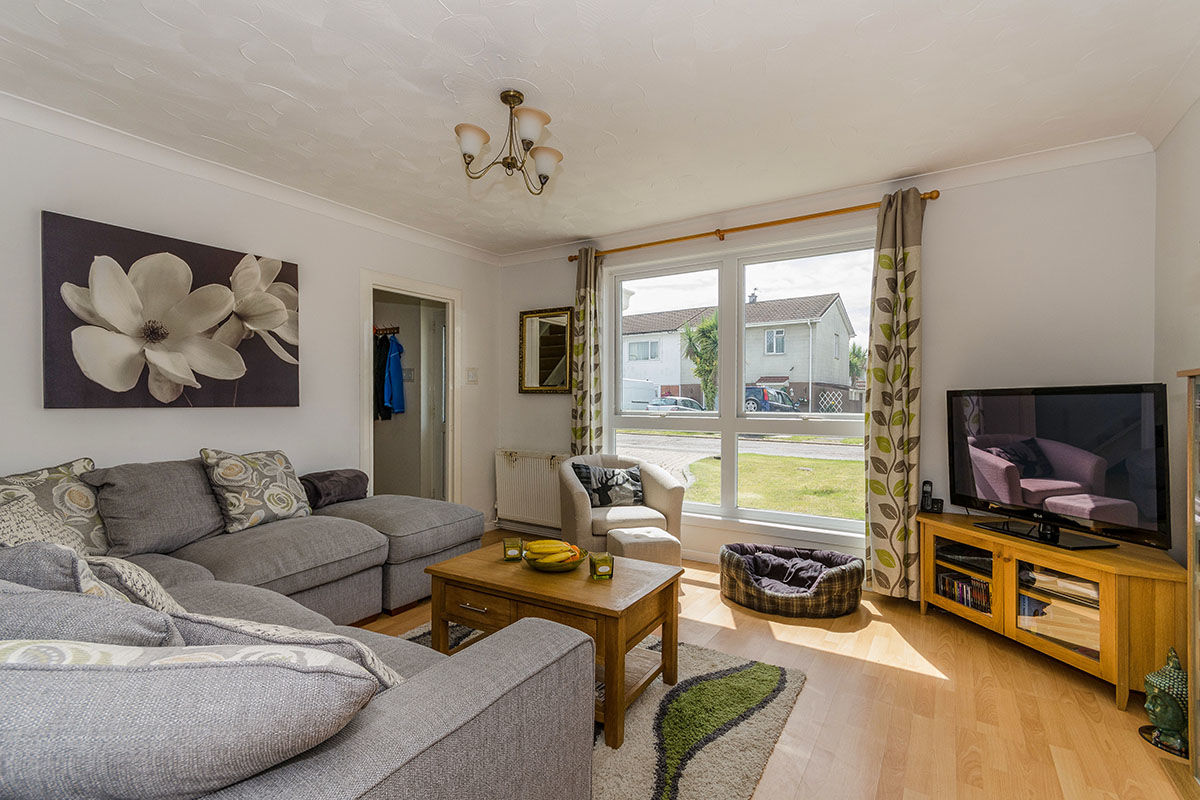
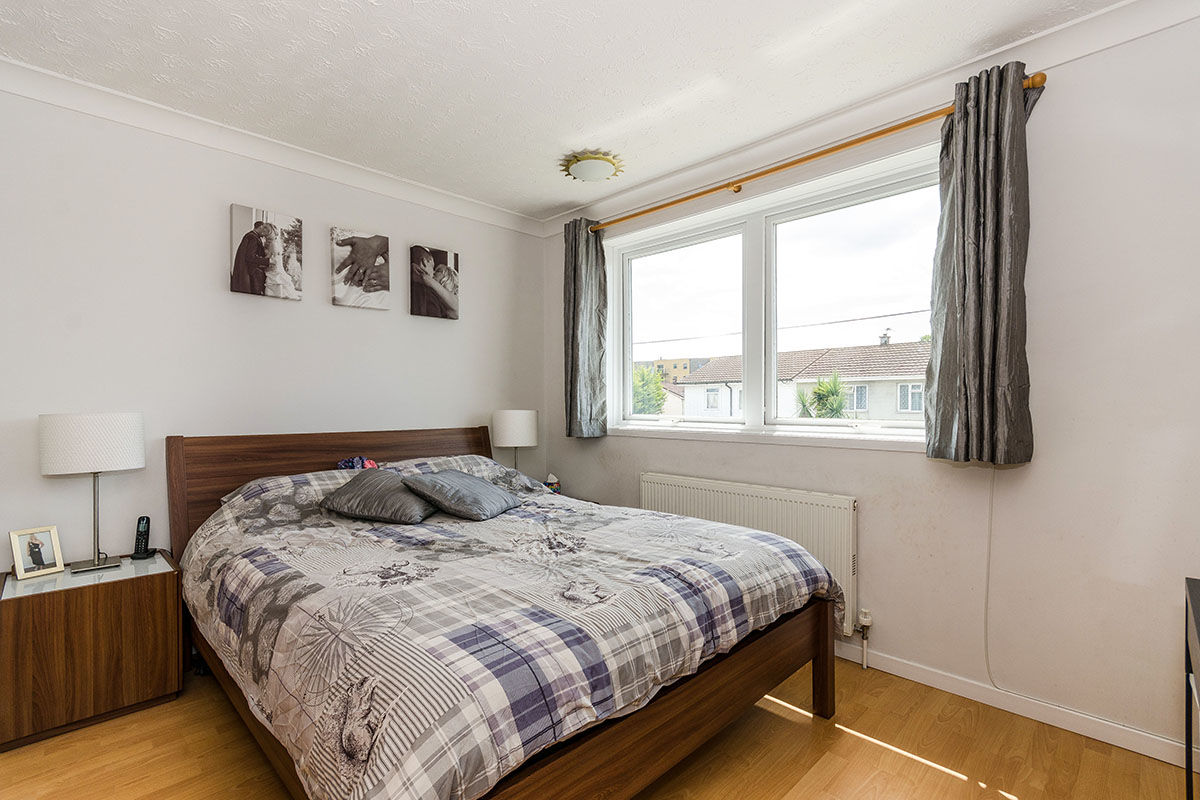
Here we have two properties on the market on the same street in Weston Southampton. One has been refurbished and is on the market at £180k. We let the next door unit at £875pcm and the yield is good at 5.8% based on asking price. It is a lovely unit and will let well.


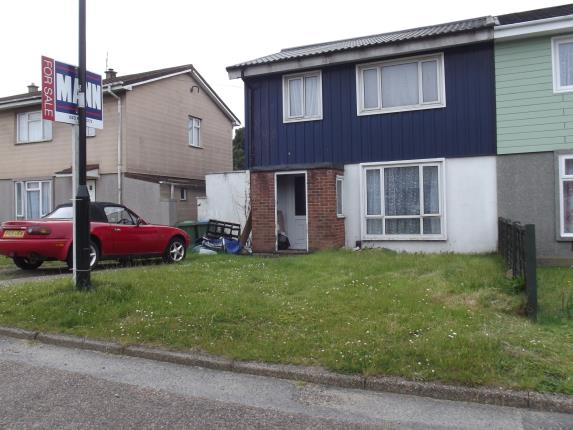
On the other hand if you fancy getting your hands dirty you could have a look at this unit. It needs a complete refit but is on the market at £130k and could be bought for less I'd imagine. Once refurbed it will let well just like the above unit.
Both these units would make good buy 2 lets and given where the market is at post Brexit I think they could offer good value as well.